








Table of contents
ShowIt’s Not Just Your Network, Weather Plays a Role Too
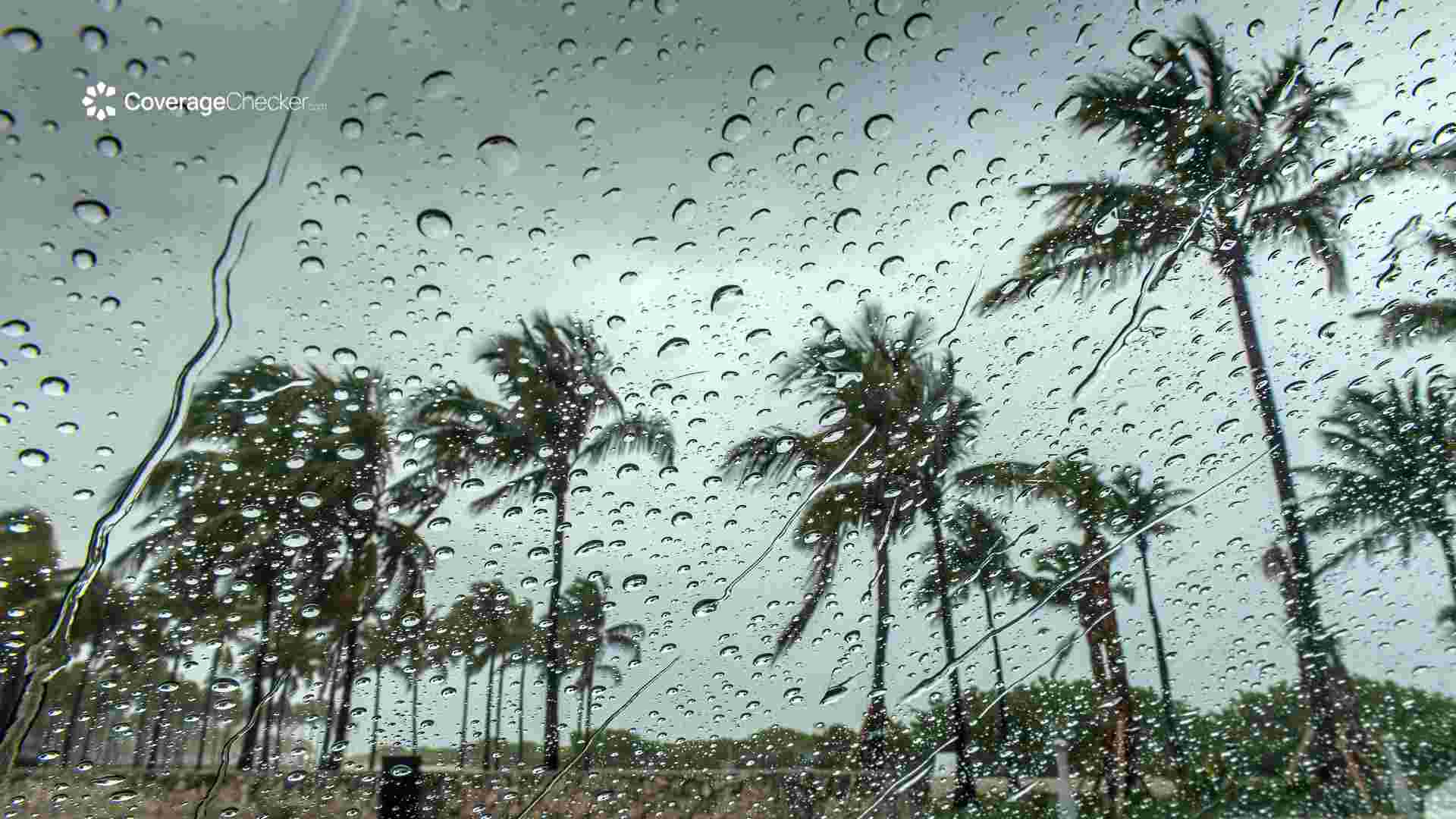
You've likely experienced this before: when the rain begins to fall, and the sky becomes overcast, your video may start to buffer, your call might break up, or your message may fail to send. It's common to blame your network provider, but in reality, the weather around you physically influences the performance of your mobile signal.
Your phone communicates through radio waves, which travel through the air between your device and nearby towers. Changes in the weather alter the air conditions, which in turn affect how smoothly these signals can travel.
Heavy Rain: When Water Gets in the Way
Raindrops take in and disperse radio waves, particularly the higher-frequency signals used in 4G and 5G networks. It's similar to shining a flashlight through a waterfall; the light passes through, but it becomes dimmer and more diffused.
For you, this might mean:
· Slower internet speeds during downpours
· Videos buffering more than usual
· Calls sounding slightly distorted
In most cases, light rain won’t make a noticeable difference. But during intense storms, especially the kind you often get across the UK, the impact becomes more obvious.
Fog: The Subtle Signal Disruptor
Fog doesn’t feel as dramatic as rain, but it can still interfere with your connection, just in a quieter way.
Fog is made up of tiny water droplets suspended in the air. These droplets can slightly weaken signals over distance, particularly in areas where coverage is already borderline.
You might notice:
· Slight delays when loading pages
· A drop from full bars to one or two without moving
· Inconsistent performance while commuting early in the morning
It’s not usually severe, but it adds to other factors like distance from a tower, making your connection feel less stable.
Snow: More Than Just a Winter Aesthetic
Snow affects signals in two main ways: while it’s falling and after it settles.
When snow is falling heavily, it behaves similarly to rain, scattering radio waves and weakening your connection. But once it settles, it can also build up on infrastructure like antennas and towers, slightly affecting how signals are transmitted.
For everyday users, this can translate into:
· Patchy signal during snowstorms
· Slower speeds in very cold conditions
· Temporary disruptions until conditions clear
Snow-heavy regions often have networks designed to cope with this, but during extreme weather, some disruption is normal.
Wind and Storms: The Hidden Impact
Wind doesn’t directly block signals, but it can still cause problems.
Strong winds can:
· Move or damage network equipment
· Sway trees or structures into signal paths
· Cause temporary outages if infrastructure is affected
So if your signal drops during a storm, it’s not just the rain, it could be the network itself reacting to the conditions.
Why It Feels Worse in Certain Places
Weather doesn’t act alone. Its impact depends on where you are.
If you’re already in a weak coverage area like indoors, in a rural spot, or surrounded by buildings, weather effects become more noticeable. That’s why one person might stream perfectly in the rain, while another struggles to send a WhatsApp message.
What You Can Actually Do About It
You can’t control the weather, but you can make small changes to stay connected.
Moving closer to a window or stepping outside can help your phone pick up a stronger signal. Switching to Wi-Fi when available often gives a more stable connection during bad weather. Even something as simple as holding your phone differently or changing rooms can make a difference.
If you rely heavily on your phone for work calls, navigation, or payments, it’s worth being aware of how the weather might affect you and planning around it when possible.
A More Realistic Way to Think About Signal
We often expect our phones to work all the time perfectly. But mobile connectivity isn’t magic; it’s physics.
Rain, fog, snow, and storms all change the environment your signal travels through. Most of the time, networks handle it well. But when conditions get extreme, small disruptions are completely normal.
Understanding this doesn’t just explain those frustrating moments; it makes them easier to deal with. Because sometimes, it’s not your phone, and it’s not your provider.
It’s just the weather doing what it does.