








Table of contents
ShowChildren Are Being Massively Impacted By The Digital Age
New Ofcom Research Reveals How Technology Is Reshaping Childhood Across the UK
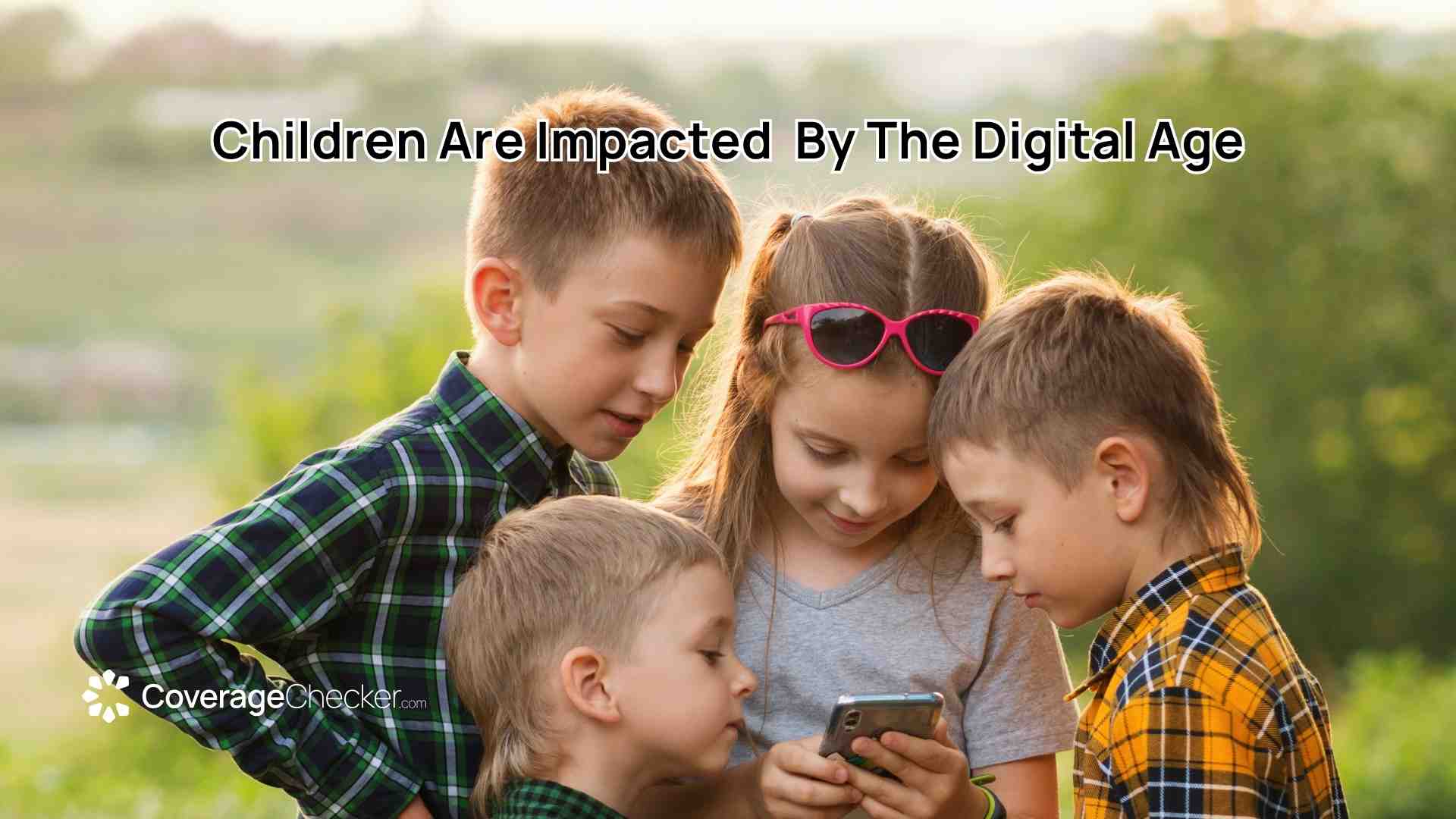
For years, people have debated how long children should be on screens. However, Ofcom’s latest research offers a broader and clearer perspective. This isn’t just about the number of hours kids spend online. The results show a big change in how young people communicate, learn, have fun, and form relationships using technology. Childhood is increasingly shaped by a digital world. Smartphones show up earlier now. Algorithms decide what children see. Artificial intelligence is part of daily life, not just a future idea.
These shifts aren’t happening in isolation. They show how technology shapes the daily experiences, routines, and expectations of a generation that has always been connected.
Digital Independence Is Happening Earlier
For many children, getting a smartphone isn’t the far-off teenage milestone it used to be. Instead, it’s increasingly becoming part of a move toward independence at a much earlier age. More families now view mobile devices as useful tools. They help keep in touch, organise daily activities, and support children with school and social life.
This change is shaping a different kind of childhood. Young people are making friends on messaging apps. They find new interests in online communities. Also, they create digital routines well before adulthood. Families are talking about responsibility, privacy, and healthy tech use earlier than before.
For many households, the key question isn't if children should use technology, but how to do it in a balanced and informed way.
Entertainment Is Becoming Increasingly Passive
A key change noted in the research is the shift towards consuming content instead of creating it. Many children now spend their online time watching short videos, scrolling through personalised feeds, and following creators recommended by algorithms.
This marks a clear shift from past internet culture. Back then, blogs, personal sites, and user-led projects prompted people to engage and contribute. Today, recommendation systems greatly shape what children watch and engage with.
It's clear that having endless content is appealing. However, it raises worries about creativity and self-expression. If young people spend more time watching than creating, educators and parents should look for ways to support original thinking, storytelling, and digital creativity. It’s important to encourage active participation, not just passive consumption.
Artificial Intelligence Is Becoming an Everyday Tool
Artificial intelligence has rapidly changed. It went from a specialist tool to something many young people use daily, especially on smartphones. Children are increasingly turning to AI to help them understand difficult topics using Google Gemini, support their homework, come up with ideas, and make tasks that used to take hours of searching much simpler.
Unlike traditional search engines, AI tools offer conversational answers that feel instant and tailored to the user. That simple, friendly way of interacting is one major reason adoption has spread so rapidly among younger users.
As AI becomes more familiar, it may also influence how future generations learn and solve problems. Young people might focus less on memorising facts. Instead, they could ask better questions, judge response quality, and use AI as a helpful partner, not a replacement for their thinking. Over time, this shift could affect education systems, future workplace skills, and what people expect knowledge to look like in the first place.
The Next Digital Skill Is Learning Who to Trust
As artificial intelligence grows stronger, a new challenge appears: knowing which information we can trust.
Today’s children are growing up in a world where realistic images, videos, and written content can be created in seconds. Learning to tell the difference between real and artificially made material is becoming just as important as reading and digital literacy were in earlier decades.
But simply feeling confident isn’t enough. Young people will need better skills to question information sources. They must understand how content is made and see that something can look real but not be true.
And this challenge goes well beyond the classroom. Technology companies, parents, and policymakers are working to help young people build critical thinking skills for today’s complex digital world.
Safety Is No Longer Just About Blocking Content
Traditional online safety efforts often focus on blocking harmful websites. They also look at how children browse online. But the digital world we’re dealing with today is far more advanced.
Many of the things children watch are now chosen by systems that aim to boost engagement. That means online safety can’t just be about blocking inappropriate material. It also means understanding how these algorithms impact attention. They influence interests and decide what shows up in a child's online life.
As digital platforms evolve, the safety discussion is shifting. Now, there’s a focus on clearer transparency, greater responsibility from platforms, and empowering young users to control their online experiences.
Technology Companies Are Closely Monitoring These Trends
The results greatly impact businesses in telecommunications, media, education, and technology.
Next-generation consumers will seek smooth, seamless digital experiences. They want easy-to-use AI tools and stronger privacy and safety protections. Firms making products for younger people are realising that trust and transparency may matter as much as innovation.
Educators and policymakers must help kids get ready for a future where digital skills go beyond just using devices. Critical thinking, responsible AI use, and media literacy are now key skills in our fast-changing world.
A New Chapter in Childhood Is Already Being Written
The newest Ofcom research is clear on one point: children’s digital lives are changing faster than many adults realise. These developments go beyond just new devices or platforms. They’re also affecting how young people learn, communicate, look for information, and connect with the world around them.
As technology becomes more part of daily life, it’s important to understand these changes. This knowledge is key. It matters for parents and educators. It also matters for all organisations that shape the digital future. Childhood experiences shaping now could affect how society uses technology for years ahead.