








Table of contents
ShowShared Rural Networks 150 Masts
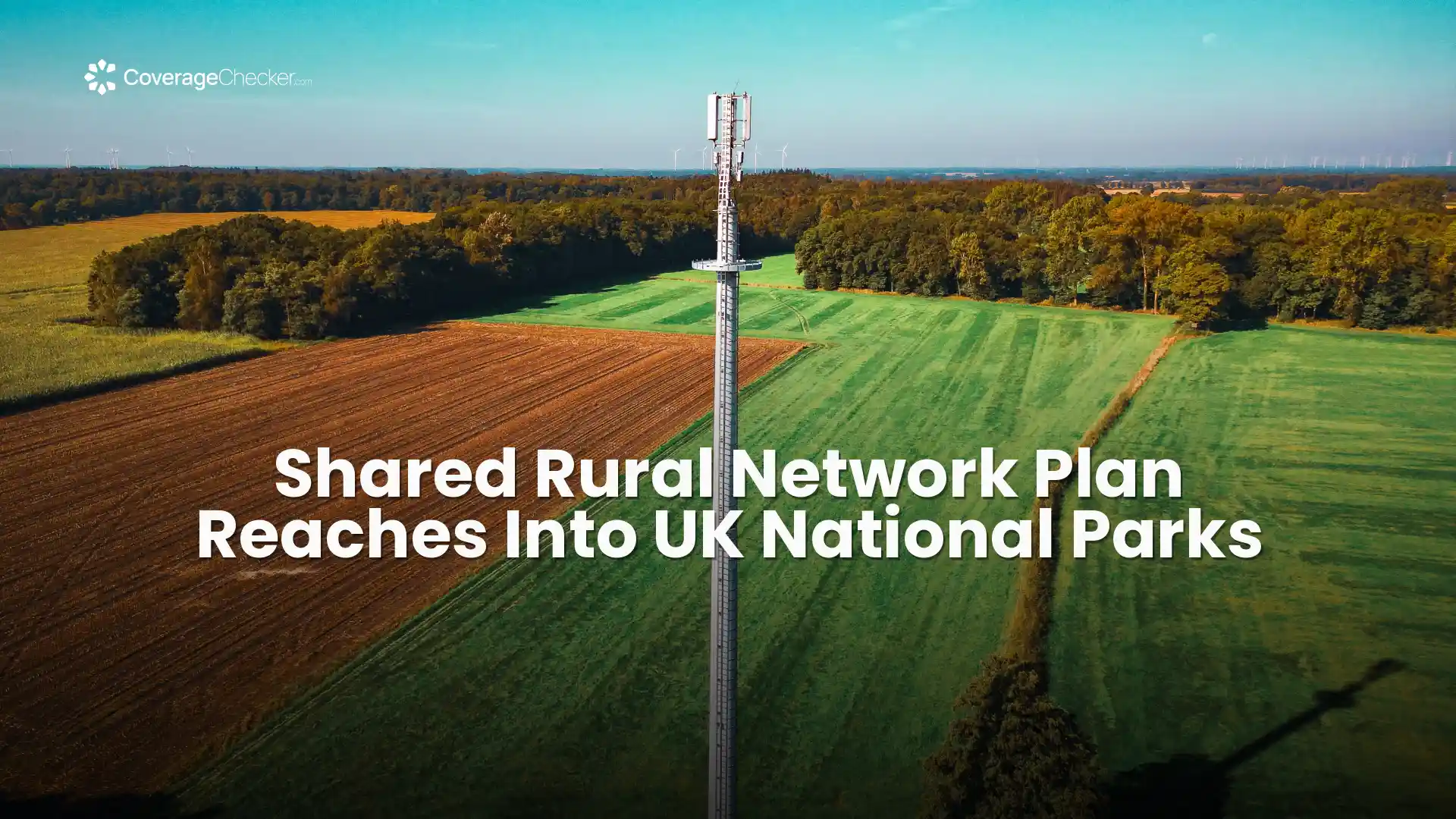
More than 150 mast upgrades tied to the Shared Rural Network have gone live in national parks and other remote parts of the UK, extending 4G coverage across an area of roughly 5,684 square kilometres. The initiative relies on shared infrastructure so that multiple operators can broadcast from the same upgraded sites, a setup often built around multi operator network sharing rather than each network building separately.
The scheme is part of a wider government backed push to close persistent mobile not-spots in hard to reach countryside, where poor signal has long lagged behind coverage in towns and cities.
It is a welcome step for anyone who has lost signal on a country walk, but 150 mast upgrades still only chip away at a much bigger rural coverage gap, so this looks more like steady progress than a finished job.
What the Shared Rural Network was designed to achieve
The Shared Rural Network is a joint commitment between the UK's mobile operators and government to raise geographic 4G coverage across the country to 95%, with a particular focus on the areas that have historically been left behind. Rather than each operator quietly hoping the market would eventually justify building in low population areas, the plan sets out a shared programme of mast building and site sharing so that costs are split and coverage arrives faster than it would if every operator worked alone.
National parks were always going to be one of the trickiest parts of this puzzle. They are large, sparsely populated, often hilly or heavily wooded, and subject to planning restrictions that make new infrastructure harder to build than in a typical town centre. That combination is exactly why so many of these areas became long standing not-spots in the first place, and why reaching them is a genuinely meaningful milestone rather than just a box ticking exercise.
Why shared masts make sense here
Building four separate networks worth of masts across remote countryside was never realistic within a sensible timeframe or budget. By sharing physical infrastructure and, in many cases, the underlying network core, operators can light up a single mast and have it serve customers across multiple networks at once. It is a pragmatic answer to a genuinely difficult engineering and economic problem, and it means walkers, farmers, residents and emergency services in these areas benefit regardless of which SIM is in their phone.
This kind of collaborative approach has echoes elsewhere in UK mobile infrastructure too. The emergency services network, for example, is built on similar logic that shared, resilient coverage benefits everyone, not just one operator's customers, and you can read more about Why the new emergency services network will benefit everyone For a sense of how that principle plays out in a different but related context.
A genuinely hopeful sign of progress
It's worth pausing on what this actually means in practical terms. Over 5,684 square kilometres (including key holiday and hiking areas such as the Lake District, Eryri/Snowdonia, Exmoor, Yorkshire Dales and Loch Lomond & The Trossachs) is a substantial stretch of countryside, and every mast upgrade in that footprint represents somewhere that previously had unreliable or non existent 4G now getting a proper signal. For hikers relying on a phone for safety, farmers running connected equipment, or small rural businesses trying to take card payments, that shift from no coverage to usable coverage can make a real difference to daily life.
The direction of travel here is genuinely encouraging. Rural coverage has been a stubborn problem in UK telecoms for years, and progress has often felt slower than promised. Seeing over 150 upgrades actually delivered, rather than simply announced, suggests the Shared Rural Network model is doing what it was designed to do. There is still a long way to go before the full 95% target is reached everywhere it is needed, but each tranche of upgrades like this one narrows the gap a little further.
For consumers, the practical upshot is that it's worth periodically rechecking coverage in areas you previously wrote off as a dead zone, since a mast upgrade in your area might have quietly changed things since you last looked. If you're weighing up a switch based on coverage in a specific rural spot, it's also worth reading our Consumer coverage guides For a wider look at how operators compare beyond the headline national percentages. If you want to read the full announcement check the government write up here.
If you live in the countryside, a rural location or simply an area that has benefitted from the shared rural network, we would love to hear your thoughts below.