








Table of contents
ShowThe New Emergency Services Network (ESN) Will Benefit Everyone (And Why the Wait Is Worth It)
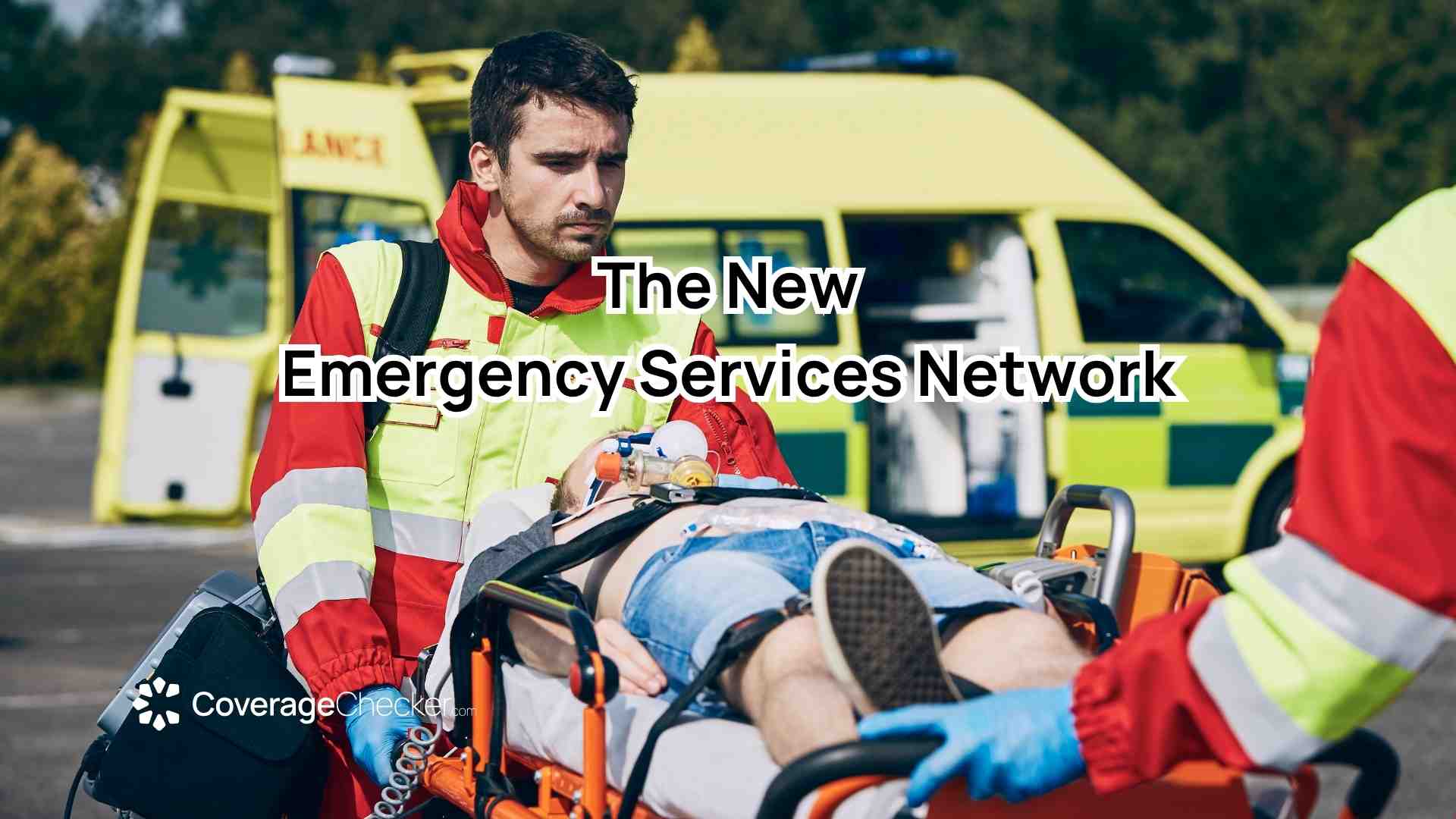
The UK’s emergency services have begun the transition to a sophisticated new communications system known as the Emergency Services Network (ESN). Designed to eventually replace the legacy Airwave service, which has supported police, fire, and ambulance teams for many years, this transition represents a significant technological leap.
The ESN project is not merely a component swap; it is a fundamental upgrade designed to ensure frontline workers can stay connected, share vital information, and reach those in need more efficiently, even in the most demanding environments. As the roll-out progresses, the infrastructure aims to transform how emergency responders operate across the UK.
Faster Access to Life-Saving Information (Beyond Standard Voice Calls)
In high-pressure emergency situations, responders require more than traditional radio communication. They will soon rely on the seamless exchange of live information, high-resolution images, and mission-essential data to make informed decisions while on the move.
The ESN will allow first responders to access fast, secure voice, video, and data transmission across a robust 4G network. By moving away from basic voice-only systems, teams will be able to receive the right information at the precise moment it matters most, significantly enhancing situational awareness.
Guaranteed Priority During Network Congestion
Major incidents often cause a surge in mobile network usage, potentially hindering traditional communication channels. To solve this, the ESN is engineered to ensure emergency communications will receive priority over standard network traffic, even at peak times in densely populated areas.
As the network continues to scale, this design will mean emergency services and first responders are far less likely to face connection drops or latency issues when the network is under extreme pressure. This prioritization is central to maintaining stable, mission-critical contact between field units and control rooms.
Extending Reliable Coverage to Rural and Hard-to-Reach Areas
One of the most persistent hurdles for UK emergency communications has been maintaining coverage in areas where commercial signals are historically weak, such as remote rural regions, national parks, and remote landscapes.
The ESN programme includes substantial investment to bridge these gaps, with plans for 20,840 new and upgraded 4G sites across Great Britain, including 1,045 entirely new 4G masts. Furthermore, the Extended Area Service (EAS) will deploy 292 additional 4G sites to ensure that even in the most isolated locations, emergency teams will be able to maintain connectivity far beyond main population centres.
Enhanced Reliability Across Complex Transport Networks
Underground tunnels, metro systems, and other enclosed transport spaces have traditionally created dead zones for radio signals. The ESN will proactively address these coverage challenges, including the London Underground and other regional subway systems, ensuring that emergencies occurring inside stations or transit tunnels are met with consistent, reliable communication support.
A Foundation for Secure, Resilient Communications
The government has conceptualized the ESN as a secure, resilient platform for mission-critical operations. It is being built to withstand the rigors of frontline, day-to-day use, providing a trusted environment for emergency agencies to share sensitive information and collaborate more effectively.
This platform-based approach will empower different emergency services to coordinate their efforts seamlessly by sharing data and expertise. By centralizing these capabilities, the programme is expected to foster a more integrated and responsive emergency response culture.
A Large-Scale Rollout for Over 300,000 Users
The sheer scale of the ESN migration is significant, designed to support more than 300,000 frontline users. This includes specialized equipment for personnel, as well as integrated technology for vehicles, aircraft, and control rooms.
Importantly, the programme is being delivered in phases, allowing emergency services to transition on their own timelines. Each phase is backed by rigorous coverage testing and assurance protocols to ensure that the new system meets the necessary performance standards before the full migration from Airwave is finalized.
Key Takeaways
The ESN will support integrated voice, video, and data, enabling faster access to critical information than previously possible.
Emergency communications will be granted priority status on the 4G network, maintaining connectivity even when public demand peaks.
Extensive infrastructure upgrades, including thousands of new 4G masts, are underway to provide coverage in traditionally hard-to-reach rural regions.
The system is specifically engineered to function within complex environments, including underground transit and tunnel networks.
Once fully implemented, the ESN will provide a secure, resilient foundation for mission-critical operations across all UK emergency services.
Reach Out and Explore
If you are interested in learning how these upcoming ESN coverage improvements could impact your local area, or if you want to understand what "4G-enabled" connectivity means for public safety, keep checking back for updates. We are eagerly awaiting the rollout of this lifesaving technology across the nation.